Understanding Single Crochet (sc) Geometry in the Round
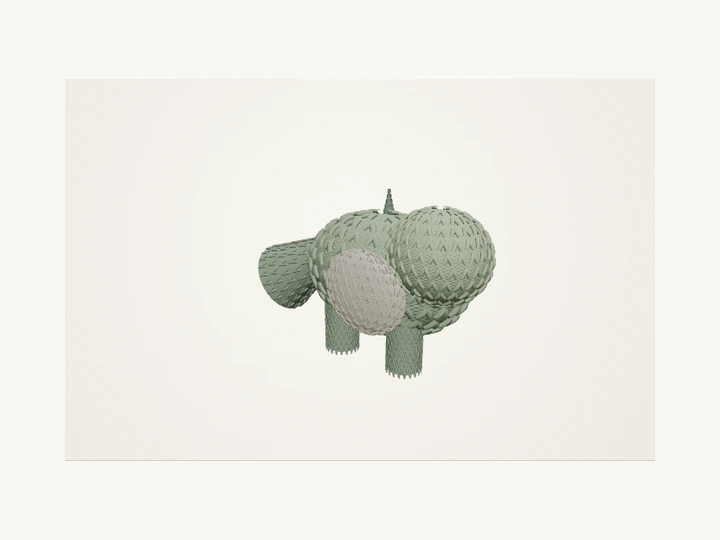
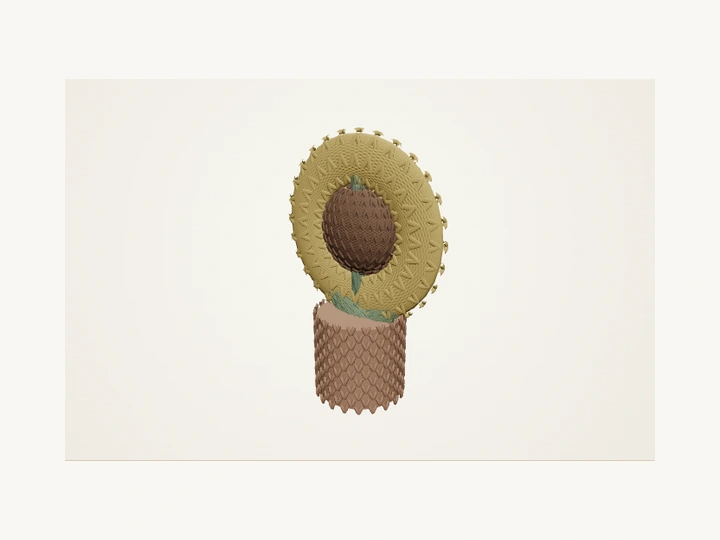
Amigurumi is predominantly worked in continuous spirals using standard single crochet (sc). Because single crochet stitches possess an approximately 1:1 aspect ratio in height versus width, adding six increases per round produces a flat circular disc, while working rounds without increases forms an upward cylinder. Our AI Crochet Pattern Generator precisely controls the rate of expansion to shape everything from smooth spheres to tapered conical horns.
The Golden Rule of Invisible Decreases (inv-dec)
When shaping the underside of amigurumi heads and bodies, standard decreases can leave visible gaps through which fiberfill stuffing peeks out. Always use the invisible decrease method: insert your hook into the Front Loops Only (FLO) of the next two stitches, yarn over, pull through both loops, yarn over again, and pull through remaining loops on hook. This technique keeps stitch density uniform throughout the amigurumi fabric.
Choosing the Right Milk-Cotton Yarn & Hook Pairing
Unlike flat blankets or cardigans where relaxed drape is desirable, amigurumi requires tight, firm stitch tension. We recommend sizing down your crochet hook by 0.5 mm to 1.0 mm from the manufacturer's suggested hook size on the yarn label. For standard 4-ply combed milk cotton, a 2.5 mm hook provides optimal firmness, preventing polyester fiberfill from migrating through stitch openings.
Spatial Assembly Techniques: Pinning Before Stitching
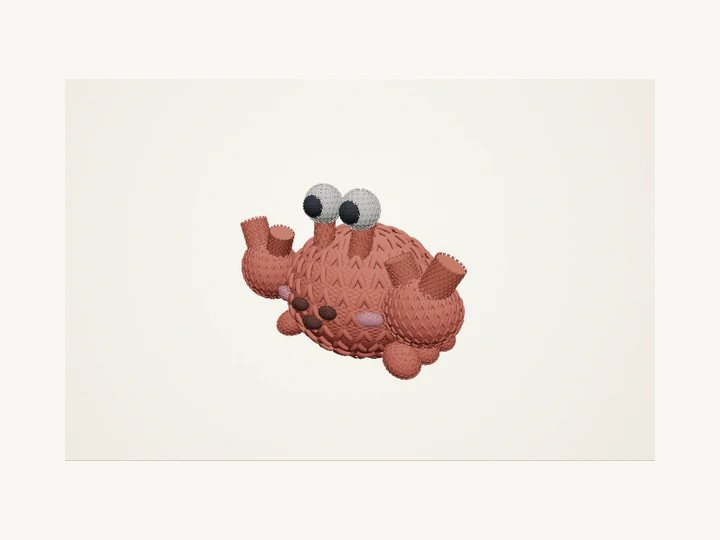
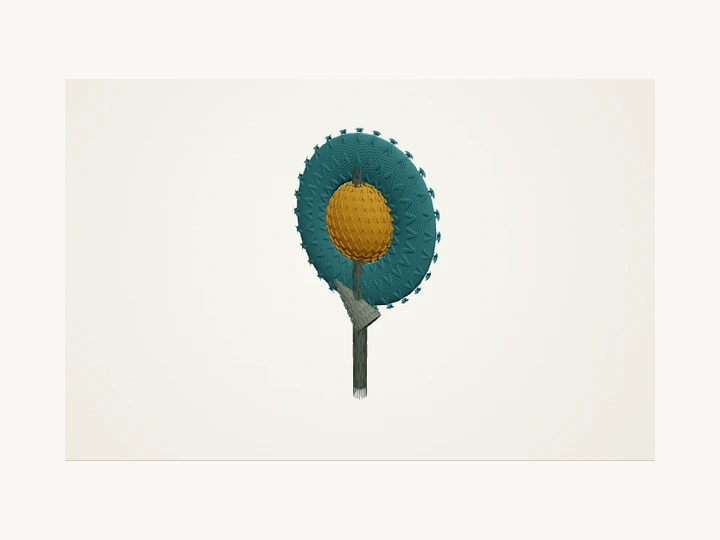
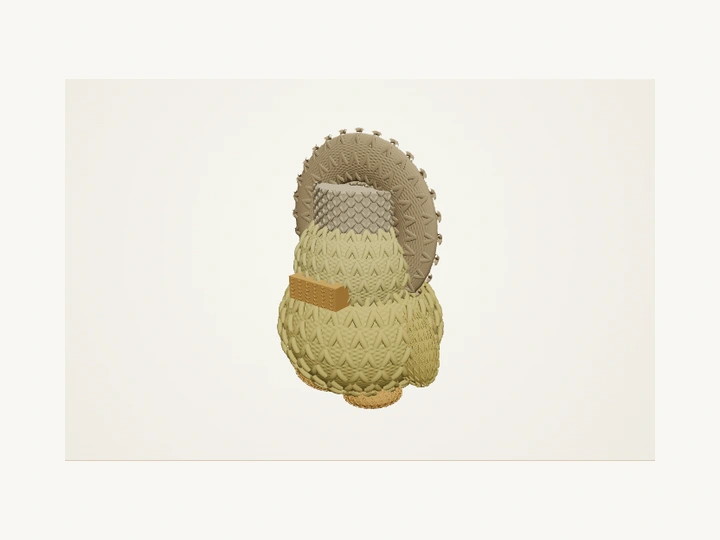
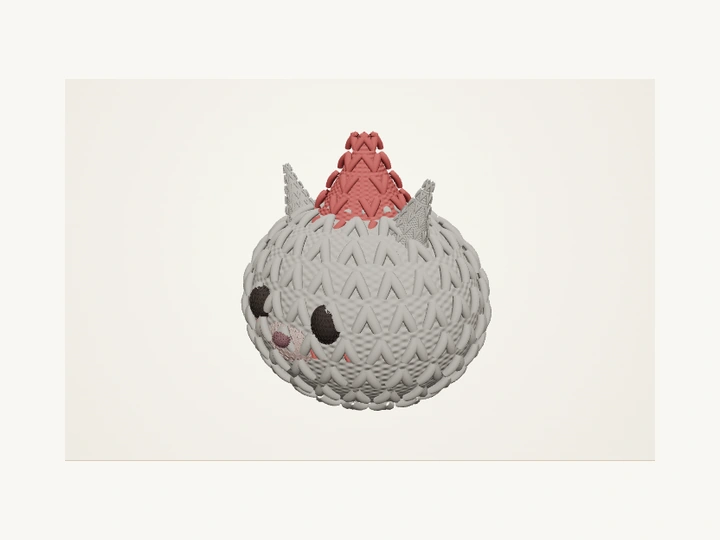
One of the greatest benefits of the 3D yarn visualizer is knowing exactly where each ear, arm, and snout connects to the main body. Before sewing pieces together with a tapestry needle, secure each part using ball-head craft pins. Rotate your physical workpiece to match the angles shown on your screen, check symmetry from both front and side profiles, and then stitch securely into place.